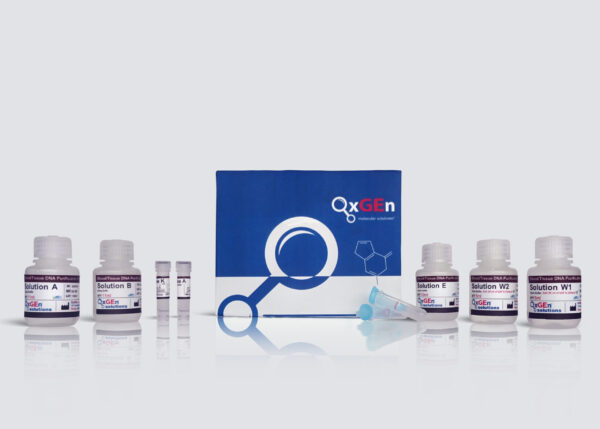

Efficient extraction of environmental DNA (eDNA) is crucial for understanding biodiversity, ecosystem dynamics, and environmental health. Recent advancements in metagenome studies have revolutionized environmental monitoring and research. With high efficiency and accuracy, these techniques enable scientists to isolate genetic material from diverse environmental samples, ranging from soil and water to air and sediment. By optimizing extraction protocols and Next-Generation Sequencing techniques, researchers can obtain high-quality DNA from complex environmental matrices, facilitating downstream analyses such as species identification, community composition profiling, and detecting pathogens.


Applying molecular tools in environmental conservation has significantly enhanced our ability to assess biodiversity and ecosystem integrity threats. Polymerase Chain Reaction (PCR) and Next-Generation Sequencing (NGS) enable rapid and sensitive detection of organisms, invasive species, and pathogens in environmental samples. By identifying target species or monitoring changes in microbial communities, these tools aid conservationists in studying and managing systems. Moreover, molecular approaches contribute to understanding ecosystem resilience, tracking disease spread, and evaluating conservation interventions’ effectiveness.